Regularity
Are meals available around the moments your work and training actually demand?
Food supports training, concentration and ordinary life. Evolve discusses patterns and planning without turning meals into a test of character.
Ask the editorial desk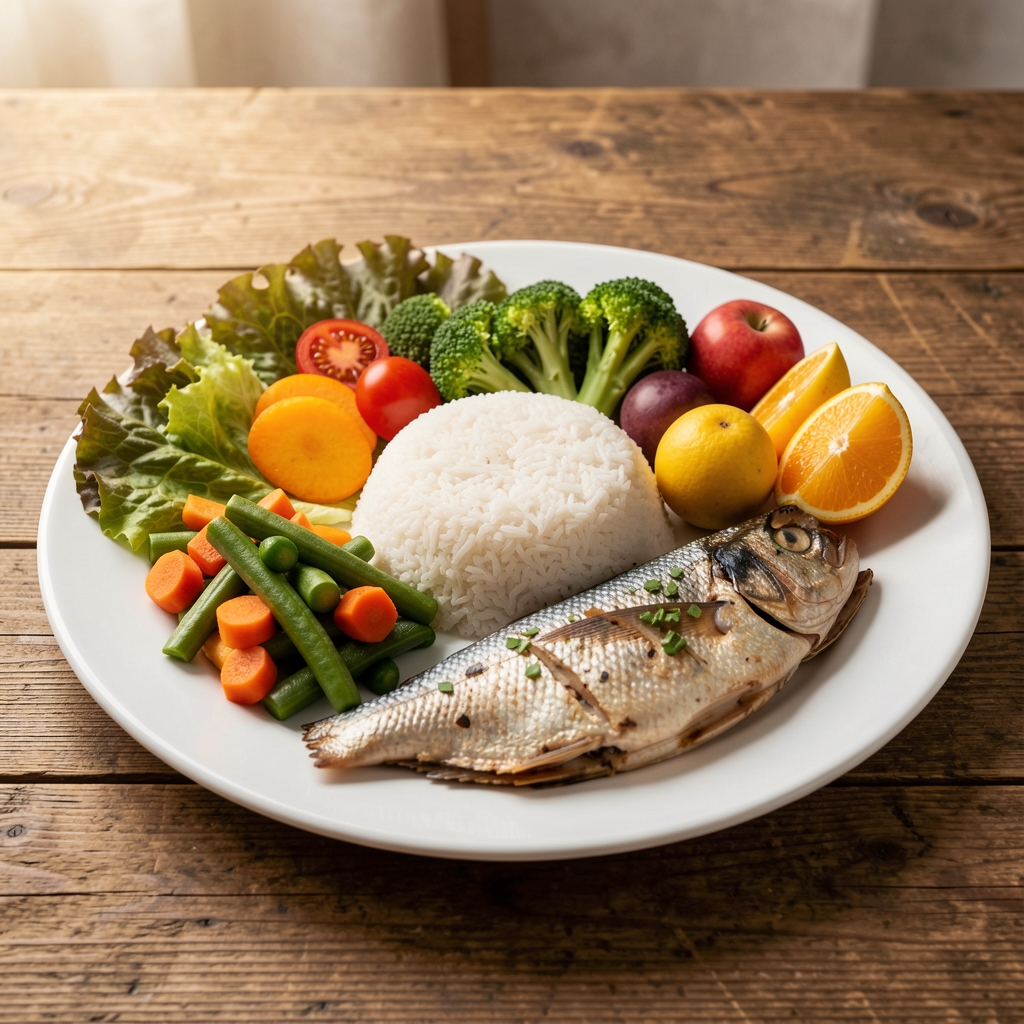
Are meals available around the moments your work and training actually demand?
Does the week include enough colors, textures and familiar foods to be sustainable?
Hydration, heat, medication and medical history can change the right conversation.
Nutrition is easier to discuss when it is connected to work, training time, travel, climate and familiar foods. A useful review starts with what is already available rather than a rigid list of ideal meals. In Jakarta, heat, commuting and changing work hours can all influence when a reader prefers to eat and drink.
Regular meals can create a predictable rhythm, while flexible portions allow for different training loads and social occasions. The point is observation rather than a universal formula.
Rice, vegetables, fruit, fish, eggs, legumes and other familiar foods can be considered within a person’s preferences and budget. Cultural context is part of sustainable planning.
Simple preparation methods, safe storage and a short shopping list often matter more than elaborate recipes. A plan should remain workable on busy days.
Readers can note energy, comfort, training quality and enjoyment without turning food into a moral score. Significant concerns belong in a qualified professional conversation.
| Question | Why it matters |
|---|---|
| When is training scheduled? | Timing can affect preparation, convenience and recovery routines. |
| What foods are familiar? | Familiar choices are easier to shop for, prepare and repeat. |
| What changes with heat? | Climate and sweating can alter how a person experiences a session. |
Food planning is a practical conversation about context, not a test of discipline.